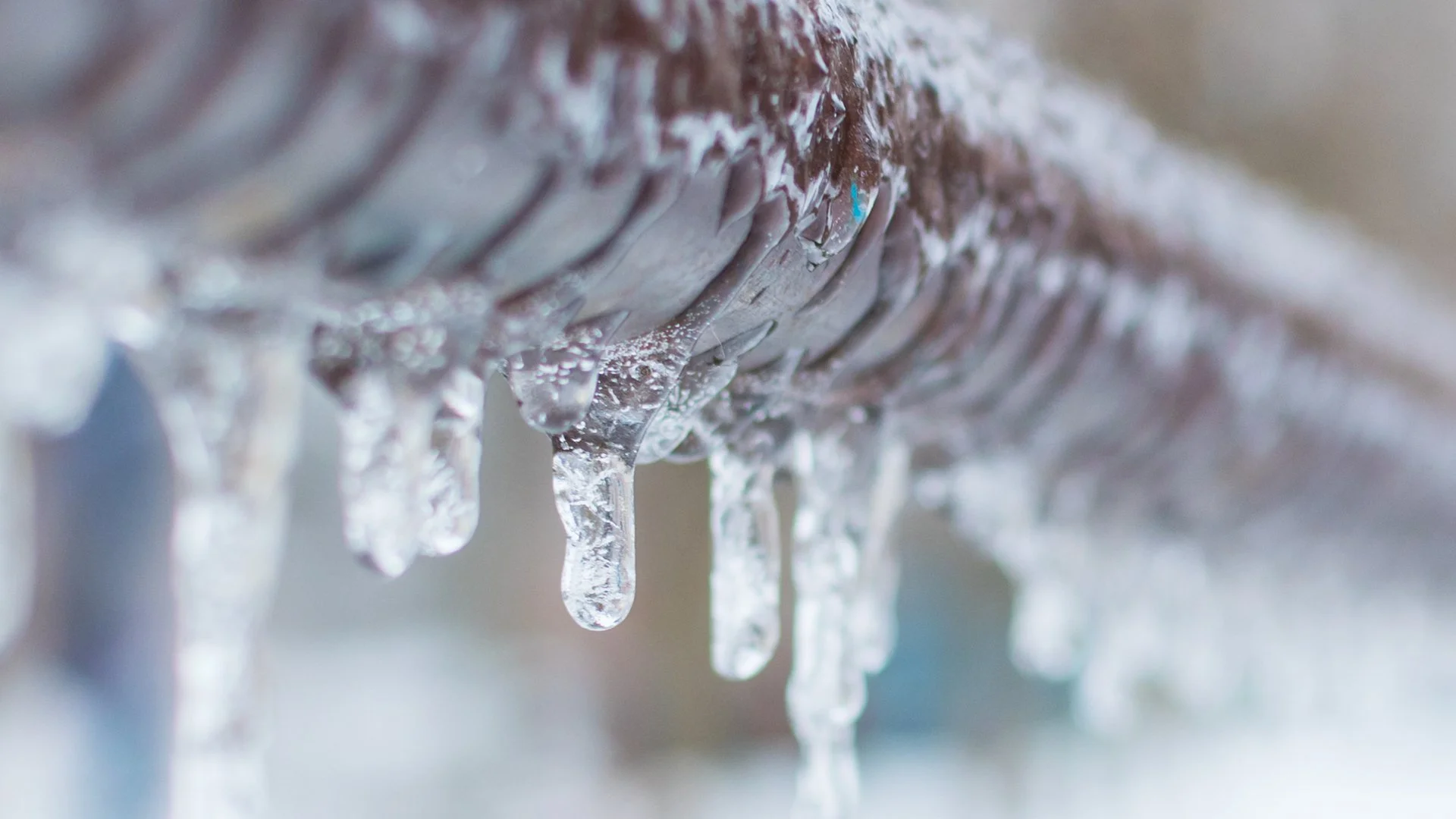
Winterizing your irrigation system in Iowa is essential to protect it from winter damage. This process involves shutting down the system, turning off the water supply, and clearing remaining water from the lines to prevent freezing, which can cause cracks or bursts. Proper winterization not only prevents physical damage but also prolongs the system’s lifespan and ensures efficiency. Failing to winterize can lead to costly repairs come spring. Ideally, you'll want to complete this process before the first frost, around mid-October, to avoid unexpected cold snaps and ensure your system is ready for winter.
Winterizing your irrigation system prepares it for the winter season.
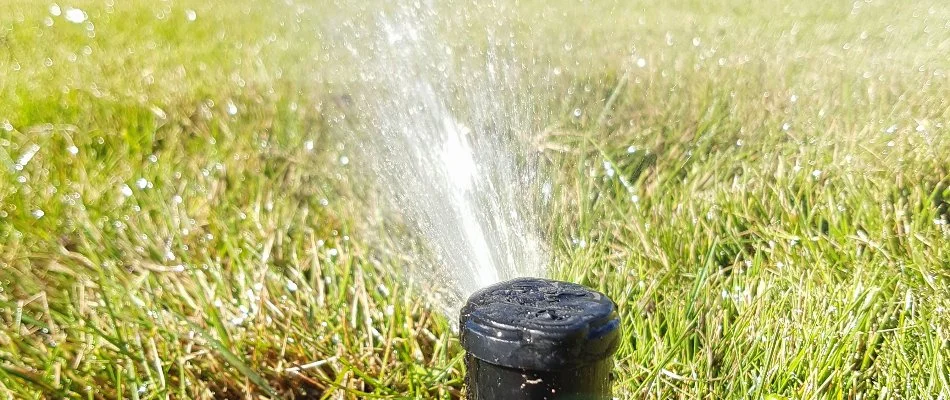
Winterizing your irrigation system is crucial to protect it from the harsh winter conditions. This process involves shutting down the system, turning off the water supply, and either draining or using compressed air to blow out any remaining water from the lines. Water left in the pipes can freeze, leading to expansion and potentially causing cracks or bursts, which can be both inconvenient and expensive to repair. By properly winterizing, you ensure that your system remains in good working condition, requiring minimal effort when spring arrives.
Not only does winterizing prevent physical damage, but it also prolongs the lifespan of your irrigation system. Regular maintenance, like winterizing, can preserve the efficiency and effectiveness of your system, ensuring that it performs well season after season. Overall, this simple preventative measure can lead to significant cost savings and peace of mind.
What happens if you don't winterize your irrigation system?
If you choose not to winterize your irrigation system, you face the risk of significant damage once temperatures drop. Any water remaining in the pipes or sprinkler heads can freeze, expanding and causing cracks or even completely bursting the components. This damage may not be immediately apparent, but it can lead to a rude awakening when you try to start up your system in the spring.
Beyond the immediate physical damage, you might encounter further complications, such as water leaks, weak water pressure, and ineffective watering patterns. These issues may require extensive repairs or even replacement parts. Ultimately, neglecting to winterize could result in avoidable headaches and expenses, putting your system out of commission well into the spring when your plants need hydration!
When should you winterize your irrigation system?
Timing is crucial when it comes to winterizing your irrigation system. The goal is to complete the process before the first frost, typically around mid-October, depending on your location. Winterizing your irrigation system before the first frost is crucial to prevent damage. The first frost can cause any leftover water in the system to freeze, leading to pipe cracks or bursts due to expansion. Completing winterization around mid-October, before temperatures drop, ensures that your system is protected from unexpected cold snaps.
Call us today to schedule our irrigation winterization service!
Getting your irrigation system ready for the harsh conditions of winter is crucial to preventing damage and maintaining its tip-top working condition. Here at Brilliant Borders Landscaping, we offer a professional irrigation winterization service to commercial and residential properties in Waukee, IA, and neighboring areas, including West Des Moines and Urbandale.
When you work with us, you can rest assured that we'll have your system winterized before the first frost! For our irrigation winterization service, we also follow a comprehensive process that ensures your system is thoroughly drained of any leftover water to avoid any cracks or burst pipes. Give us a call today at (515) 664-6205 to schedule this service and enjoy peace of mind knowing your irrigation system is in prime shape for the winter.

Comments (0)
Thanks for your comment!
Thanks for your feedback! Your comments have been successfully submitted! Please note, all comments require admin approval prior to display.
Error submitting comment!
There is a problem with your comment, please see below and try again.