Paver Patios: What’s Their Expected Lifespan?

Paver patios are renowned for their longevity, typically lasting 25 to 50 years. Their durability depends on materials and installation quality. Regular maintenance, such as cleaning, sealing, and prompt repairs, is crucial for extending their lifespan. The type of paver also impacts durability, with concrete offering cost-effectiveness and natural stone providing timeless strength. Weathering from harsh conditions can affect longevity, so choosing weather-resistant materials and using sealants is essential. Professional installation ensures proper preparation, precision, and drainage, reducing risks like uneven settling. Investing in professional services ensures your patio in Iowa is built to last and withstand wear over time.
How long do paver patios last?

Paver patios are known for their longevity. Typically, they can last anywhere between 25 and 50 years. This long lifespan makes them a worthwhile investment for those looking to enjoy their outdoor space for decades. The key to their durability lies in the materials used and the quality of installation, which ensures that they can withstand wear and tear over time.
Factors Affecting the Lifespan of Paver Patios

While paver patios boast a long lifespan, several factors can influence how long they actually last. Understanding these factors can help you maximize the longevity of your patio.
- Maintenance: Regular maintenance is crucial in extending the life of your paver patio. This includes cleaning to remove dirt and debris, sealing to protect against stains and weathering, and making prompt repairs to address any damage. By keeping up with maintenance, you can prevent minor issues from becoming major problems.
- Type of Paver: The type of paver you choose also impacts the lifespan. Concrete pavers are durable and cost-effective, while natural stone pavers offer a timeless look with exceptional strength. Each material has its own advantages, so it’s essential to select the one that best suits your needs and preferences.
- Weathering: Exposure to the elements can affect the longevity of your paver patio. Harsh weather conditions, such as extreme heat, cold, or heavy rainfall, can cause wear over time. Choosing weather-resistant materials and applying sealant can help protect against these effects and ensure your patio remains in good condition.
Popular paver materials to use for patios include concrete, natural stone, and flagstone.
The Importance of Professional Paver Patio Installation for Longevity
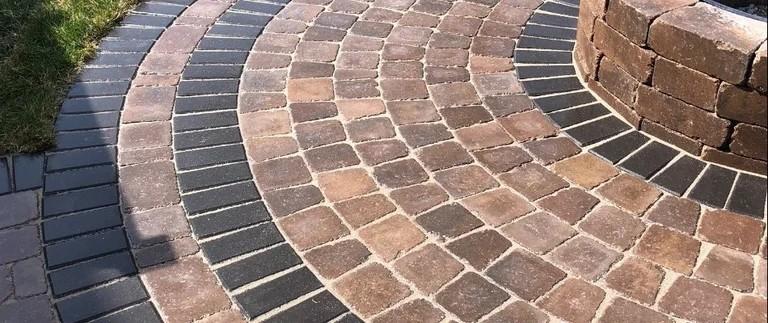
The quality of installation plays a significant role in determining how long your paver patio will last. Hiring professionals to install your patio ensures that the job is done correctly from the start. Pros have the expertise to properly prepare the area, lay the pavers with precision, and ensure proper drainage.
A professional installation minimizes the risk of issues such as uneven settling or shifting, which can compromise the integrity of your patio. By investing in professional installation, you can have peace of mind knowing that your patio is built to stand the test of time.
Call our experts today to sign up for our patio installation service!
Paver patios are a durable and long-lasting addition to any outdoor space, with an expected lifespan of 25 to 50 years. If you’re looking to add one to your property, you’ve come to the right place. Here at Brilliant Borders Landscaping, we offer our patio installation service to upgrade your outdoor living space and provide you with a versatile space for gatherings and relaxation. Our team uses highly durable materials to build patios, such as concrete pavers, natural stone pavers, and flagstone.
Best of all, our paver patios are backed by a 5-year warranty, so you can rest assured your investment is safe when you work with us. Our team offers this service to commercial and residential properties in Waukee, IA, and neighboring areas, including West Des Moines and Urbandale. Call us at (515) 516-0013 to sign up!
Posted in:
Tags: